 Business License

Porcelain Slab Panels for Profitable Project Supply
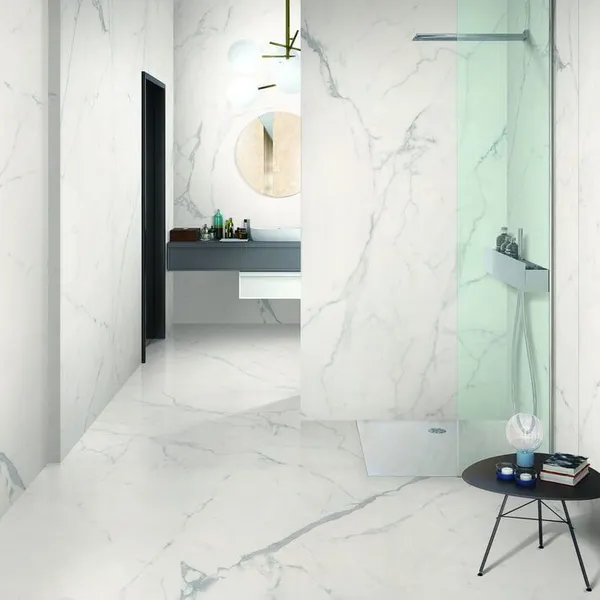
A hotel lobby wall with six visible grout joints tells a different story than the same wall finished in two large surfaces. That visual difference is why porcelain slab panels have moved from a niche specification to a serious category for distributors, fabricators, and project buyers. The opportunity is not simply selling a larger tile. It is supplying a higher-value surface system with the design presence, technical planning, and supply continuity that large projects demand.
For buyers, the category can protect margins when it is positioned correctly. For projects, it can reduce visual interruption across walls, vanity surrounds, feature floors, kitchen backsplashes, and furniture cladding. But large-format panels also raise the standard for packaging, fabrication, handling, and installation. The suppliers that understand those details are the ones that keep accounts after the first order.
Why Porcelain Slab Panels Change the Product Mix
Conventional tile remains the right choice for many floors, renovations, and value-driven builds. It is easier to carry, easier to install in restricted spaces, and often better suited to layouts that need frequent cuts. Slab panels serve a different commercial purpose: they create broad, continuous surfaces that conventional formats cannot replicate without more joints and more labor.
A 1000 x 3000 x 4.5 mm ultra-thin porcelain panel, for example, gives architects and interior designers a large canvas for stone, concrete, metal, marble, and textured decorative looks. In a premium residential kitchen, the same design can continue from backsplash to island cladding. In hospitality corridors or reception areas, fewer joints support a cleaner visual field and simplify day-to-day surface maintenance.
That design flexibility matters because generic catalogs are crowded. A distributor competing only on common 600 x 600 mm or 12 x 24 inch looks is often pushed into a price conversation. A well-curated slab program changes the conversation to design scale, application knowledge, fabrication support, and project coordination. Those are harder advantages for a local competitor to copy overnight.
The selling point should still be realistic. Thin panels are not a substitute for every countertop material, exterior facade system, or heavy-duty commercial floor. Suitability depends on thickness, substrate condition, load requirements, local code, fabrication method, and the installer’s experience. Serious buyers earn trust by specifying the panel where it performs best rather than forcing one product into every application.
Where Large Porcelain Panels Deliver the Most Value
Wall applications are often the strongest starting point. Bathroom walls, shower surrounds, fireplace features, elevator lobbies, retail displays, and hotel public areas benefit from reduced grout lines and a more architectural finish. Because large panels are thin, they can also be attractive in renovation work where adding excessive wall build-up creates problems around doors, fixtures, and transitions.
Kitchen and bath applications are another growth area. Porcelain’s resistance to staining, moisture, and everyday cleaning products makes it a practical surface option for backsplashes, vanity walls, cabinet fronts, tabletops, and selected countertop applications. The exact fabrication process should be confirmed before sale, especially where cutouts, exposed edges, mitered details, or unsupported spans are involved.
Furniture and millwork cladding can produce some of the highest perceived value. A porcelain-covered reception desk, boutique display, bar front, or wardrobe panel brings a custom look without requiring natural-stone blocks or highly variable slabs. This is especially useful for designers who want consistent color and veining across multiple locations.
Floor use requires more discipline. Large porcelain panels can create striking floors in villas, showrooms, and upscale commercial interiors, but flatness tolerance, adhesive coverage, movement joints, and panel thickness cannot be treated casually. A project team should verify the manufacturer’s installation guidance and use trained installers with appropriate lifting equipment. Selling the product without addressing installation is an avoidable route to claims and delays.
What Buyers Should Verify Before Ordering
The strongest slab assortment is not necessarily the one with the most colors. It is the one with clear technical data, dependable shade control, reliable packaging, and a supply plan that matches the buyer’s market. Before confirming a purchase, buyers should review the panel dimensions, nominal thickness, surface finish, calibration, rectification status where relevant, packing quantity, gross weight, container loading plan, and lead time.
For design-led projects, sample approval should go beyond a small chip. Large-format graphics behave differently at full scale. Veining direction, repeat frequency, face variation, gloss level, and edge appearance should be reviewed in the context of the intended application. A marble look that appears refined on a sample may look overly repetitive when applied across a 10-foot wall if the face selection is limited.
Supply continuity deserves equal attention. Project buyers need confidence that replacement material, additions, and phased deliveries will not become a scramble six months later. Distributors need a product program they can show without worrying that the collection will disappear after one container. Ask direct questions about production scheduling, raw-material consistency, inventory planning, and whether the factory can support repeat orders at the same quality level.
There is also a freight reality. Panels require specialized crating and careful container loading. Damage risk increases when packaging is treated as an afterthought or when local handling teams do not have suitable A-frames, suction lifters, and transport procedures. The lowest unit price is not the lowest landed cost if breakage, remakes, and installation disruption consume the savings.
Fabrication Is Part of the Purchase Decision
Many buyers focus first on the panel design and only later ask who will cut it. That order should be reversed for projects with extensive fabrication. Identify the fabricator early, confirm their equipment can process thin porcelain, and review drawings for cutouts, edge profiles, corners, and reinforcement needs.
Porcelain is hard and durable, but that does not make it forgiving during fabrication. Incorrect blade selection, poor support, rushed drilling, or inadequate handling can create chips and cracks. A capable fabricator turns a slab panel into a premium finished application. An unprepared one can turn a premium order into a costly service issue.
Building a Slab Program That Protects Margin
For distributors, the best approach is usually a focused collection rather than an oversized launch. Start with commercially proven visual families: light marble, bold stone, soft concrete, warm neutral surfaces, and one or two distinctive statement designs. Offer finishes that fit real demand in the target market, then build sample boards and display systems that show the panel at meaningful scale.
Sales teams should sell applications, not just square footage. A designer may not need a 1,000-square-foot slab order. They may need a coordinated solution for two bathrooms, a kitchen, and a reception wall. When the conversation includes layout planning, bookmatching possibilities, fabrication coordination, and matching smaller-format products, the order becomes more valuable and less comparable to commodity tile.
Private-label and OEM or ODM programs can add another layer of protection. Exclusive surface selections, tailored packaging, branded sample materials, and coordinated collections help prevent direct catalog overlap. This matters in markets where several importers may offer similar marble visuals at similar prices. Exclusivity is not only a design benefit. It is a margin-control tool.
YUPURONG supports this model with Italian-grade visual direction, Chinese manufacturing efficiency, and large-format ultra-thin panel capability in 1000 x 3000 x 4.5 mm sizing. For export buyers, the commercial value comes from more than the panel itself: stable production communication, flexible sourcing support, and a partner that understands the consequences of missed project dates.
Installation Planning Cannot Be an Afterthought
Large-format porcelain is specified by architects but ultimately judged by the installed result. That makes installer readiness a sales issue, not only a contractor issue. Panels should be checked upon delivery, stored upright according to recommended procedures, moved with suitable equipment, and installed over properly prepared substrates.
Adhesive selection, full coverage, joint placement, leveling, movement accommodation, and cut-edge treatment should follow the product-specific technical recommendations. On walls, substrate flatness and bonding conditions are critical. On floors, deflection and flatness must be assessed before panels reach the site. A thin panel will not hide a poor substrate.
A distributor does not need to perform installation, but it should provide clear technical documentation and connect project teams with qualified guidance when needed. That service reduces complaints, strengthens contractor confidence, and separates a specialist supplier from a warehouse that simply ships boxes.
The most profitable porcelain slab panel business is built on disciplined selection: choose designs that are difficult to commoditize, specify applications honestly, plan fabrication early, and protect replenishment before the first project shipment leaves the factory. Buyers who treat the panel as a complete surface solution can create better projects and a more defensible product line at the same time.
#porcelainslabpanels #largeformatporcelain #ultrathinporcelainpanel #tiledistribution #architecturalsurfaces #interiordesignmaterials #hospitalitydesign #kitchenbacksplash #renovationsolutions #fabricationforstonepanels #exportbuildingmaterials #surfacesystemsolutions #commercialtiling #YUPURONG #ultralargetile
Recently Posted
-
Anti-Slip Floor Tiles for Aging People Living Safely
September 2, 2026A bathroom floor can look refined, drain correctly, and still create a serious risk if its surface becomes slick when wet. For pro Read More
 -
3000x1000x4.5mm Ultra-Thin Porcelain Panels for Modern Renovation
August 19, 2026If you work with commercial renovation, high-rise retrofits, or large-scale interior projects, you already know how quickly materi Read More
 -
Are Non Rectified Tiles Better for Tile Projects?
August 17, 2026A 2 mm difference at the tile edge can change a project's visual character, installation speed, grout specification, and even Read More
 -
Porcelain Tiles for Villa Projects That Protect Margin
August 13, 2026A villa tile package is rarely lost because the surface was technically acceptable. It is lost when a developer sees the same gene Read More

Contact Us
Recommended Products
-
 R10 Anti Slip Marble Design Porcelain Floor TilesUS$ 6.80 - 12.80MOQ: 1200 Square Meters
 -
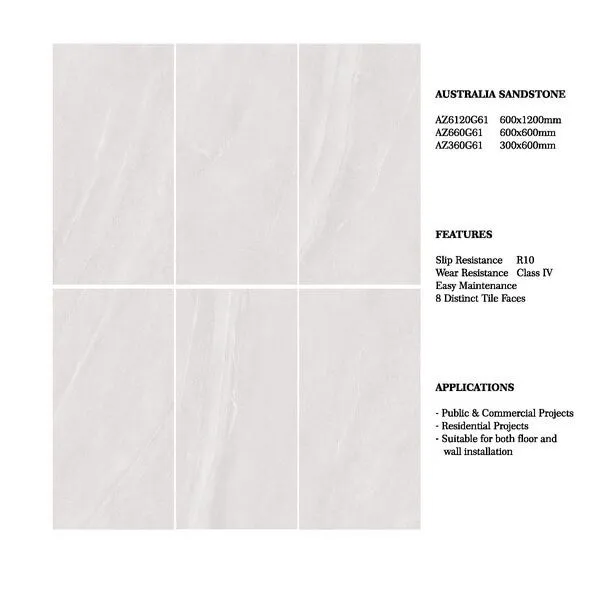
R10 Anti Slip Australia Sandstone Porcelain Floor TilesUS$ 6.80 - 12.80MOQ: 1200 Square Meters
-
Honeycomb Porcelain Mosaic Tiles for High End Bathroom | Foshan YUPURONGUS$ 23 - 35MOQ: 30 Square Meters
-
Premium 200x200mm Glossy Glazed Porcelain Wall Tiles | Italian Quality & Chinese ManufacturingUS$ 13.8 - 23MOQ: 100 Square Meters
-
Premium 200x200mm Matte Glazed Porcelain Tiles | Italian Quality & Chinese ManufacturingUS$ 13.8 - 23MOQ: 100 Square Meters
-
MARRAKECH Series Premium Pressed Edge Antique Porcelain Floor Tiles | FOSHAN YUPURONGUS$ 13.80 - 25MOQ: 100 Square Meters
-
LOFOTEN Series Premium Non-rectified Antique Porcelain Floor Tiles | FOSHAN YUPURONGUS$ 13.80 - 25MOQ: 100 Square Meters
-
Prague Series Premium Non-rectified Antique Porcelain Floor Tiles | FOSHAN YUPURONGUS$ 13.80 - 25MOQ: 100 Square Meters
-
Luxury Red Marble Large Format Thin Porcelain Tile From ChinaNegotiableMOQ: 1 Piece
-
Solid Color 1000x3000x4.5mm Matte Slim Porcelain PanelNegotiableMOQ: 1 Piece



-
Luxury 6x6 / 150x150mm Porcelain Swimming Pool Tiles | Italian QualityNegotiableMOQ: 1 Square Meter
-
Exclusive Pearl Series 1000×3000×4.5mm Large-Format Thin Porcelain SlabsNegotiableMOQ: 1 Piece
-
Line Series Travertine Design Thin Porcelain 1000x3000x4.5mm | Foshan YUPURONGNegotiableMOQ: 1 Piece
-
NEBULA Series (BNB) Matt Plain Thin Porcelain Sheet 1000x3000x4.5mmNegotiableMOQ: 1 Piece
-
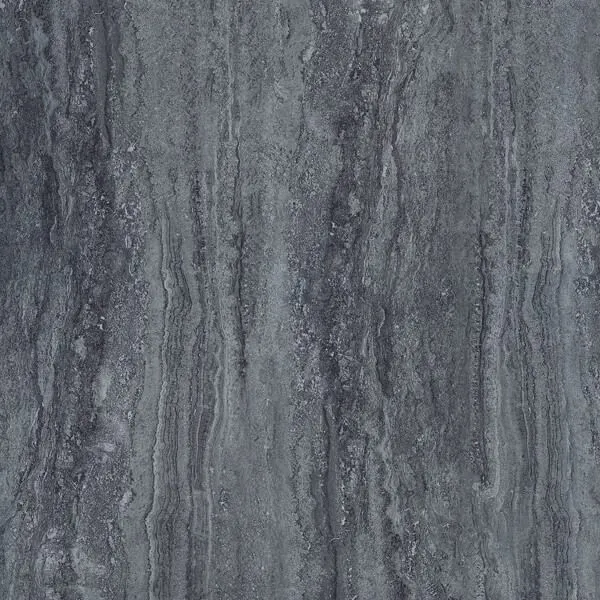
Gray Connected Veins Large Format Thin Porcelain Panel 3000x1000mm From ChinaNegotiableMOQ: 1 Piece


-
Premium White Cararra Large Format Thin Porcelain Slab From ChinaNegotiableMOQ: 1 Piece
-
Premium Matte Black Marble Large Format Thin Porcelain Panel 3000x1000mmNegotiableMOQ: 1 Piece
-
Premium 150x150mm Porcelain Swimming Pool Tiles From Foshan YUPURONGNegotiableMOQ: 1 Square Meter
-
YUPURONG 1000×3000×4.5mm Matte Ultra-Thin Porcelain Panel - Light Beige Travertine DesignUS$ 30 - 45MOQ: 100 Square Meters
-
Top Quality Wood Like Large Format Thin Porcelain Panel From ChinaUS$ 30 - 45MOQ: 100 Square Meters